
The Komodo Dragon: The Ultimate Guide 🐉
Habitat, venom, reproduction, and conservation. Everything you need to know about the largest living lizard on the planet.
Discover the Legend⚡ The Komodo Dragon at a Glance
What is a Komodo Dragon?
The Komodo dragon, also known as the Komodo monitor, is a species of lizard that is native to the Indonesian islands of Komodo, Rinca, Flores, Gili Motang, and Padar. It is the largest living species of lizard on Earth.

Carnivorous by nature, Komodo dragons are apex predators in their ecosystem. They primarily eat deer, water buffalo, pigs, and other large animals, but will also eat smaller prey such as insects and rodents.
They have a unique hunting strategy: they ambush their prey and bite them with sharp teeth, injecting venom into the wound. This venom lowers blood pressure and prevents blood clotting, leading to massive blood loss, shock, and ultimately the death of their prey. Their tough, scaly skin provides protection from predators and allows them to survive in harsh environments.
Can Komodo Dragons Swim? 🏊♂️
Yes, Komodo dragons are capable swimmers and have been observed swimming between islands in their native range. They use a combination of their powerful legs and long, flattened tail to propel themselves through the water. In fact, they have been known to swim up to 500 meters (1,640 feet) in open sea in search of food or to escape from predators.
How Many are Left and Are They Endangered?
The population of Komodo dragons is currently estimated to be around 3,000 to 5,000 individuals in the wild, according to the International Union for Conservation of Nature (IUCN). However, this number is difficult to estimate accurately due to the remote and rugged terrain of their native range.
The Komodo dragon is considered a vulnerable species. Despite being protected, they face several threats that have contributed to their decline:
🌳 Habitat Loss
Human activities such as agriculture, logging, and development reduce available space and fragment populations, decreasing genetic diversity.
🚫 Poaching
Historically hunted for their meat and skin. Today, the poaching of their primary food source (deer) puts immense pressure on the dragons' survival.
🌡️ Climate Change
Rising sea levels and natural disasters directly threaten the limited nesting sites on these small islands.
Conservation efforts are ongoing to protect Komodo dragons and their habitat, including the establishment of protected areas and captive breeding programs. However, continued efforts are needed to ensure their long-term survival in the wild.
Komodo Dragon Reproduction 🥚
Komodo dragons reproduce through sexual reproduction, with mating typically occurring between May and August. During this time, males will fight over females, using their powerful jaws to wrestle and pin their opponents to the ground by standing on their hind legs.
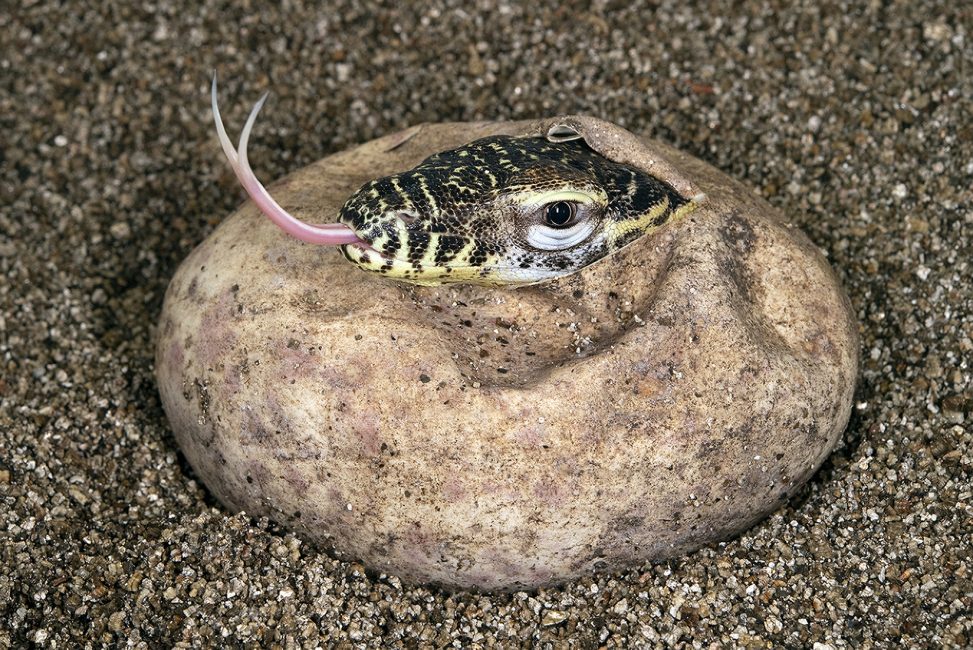
Females lay their eggs in burrows dug into the ground or in other suitable locations, such as termite mounds or abandoned bird nests. The eggs are typically laid in September and October and incubate for about 8-9 months before hatching. Interestingly, the incubation temperature determines the sex of the hatchlings: higher temperatures produce males, while lower temperatures produce females.
After hatching, the young Komodo dragons are left to fend for themselves. To avoid predation by adult dragons (who are cannibalistic), the young spend their first few years living in trees. They reach sexual maturity at around 5 to 7 years of age and can live up to 30 years in the wild.
On which island are there the most? 🗺️
The largest population of Komodo dragons is found on Komodo Island, which is one of the five islands in Indonesia where the species is naturally found. Komodo Island is also home to Komodo National Park, established in 1980 to protect the species.
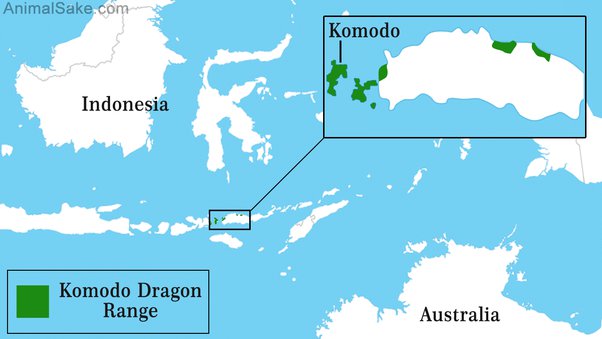
In addition to Komodo Island, other islands where the species is found include Rinca, Flores, Gili Motang, and Padar. According to the East Nusa Tenggara Natural Resources Conservation Agency, the dragons found on Flores are slightly different. While genetically similar, the population on Flores tends to be smaller in size and have lighter-colored scales, thought to be due to differences in diet.
Why do we call them "Dragons"?

The Komodo dragon is called a "dragon" because of its large size, powerful jaws, and fearsome reputation. The species is named after the Indonesian island of Komodo. The term "dragon" is often used to describe large, reptilian creatures with formidable physical attributes.
Komodo dragons were only known to the Western world in the early 20th century, when Dutch colonists in Indonesia first described them to European scientists. At the time, there was a massive fascination with stories of mythical dragons. The name "Komodo dragon" may have been a way to evoke these legends and generate interest in the newly discovered species.
Despite the name, they do not breathe fire and are not related to mythical creatures! They are a real species of lizard belonging to the family Varanidae (monitor lizards).
Frequently Asked Questions (FAQ)
Are they dangerous to humans?
Is it true their saliva contains deadly bacteria?
Meet the Legend in Real Life
To fully appreciate these beautiful animals, you need to see them in their natural habitat. Dragon Dive Komodo offers guided treks to Rinca and Komodo Island.








One Response